Designing for an undocumented product is a different kind of challenge. There’s no source of truth, no style guide, and no shared understanding of what “correct UI” looks like. In these situations, my job is to reverse-engineer the system that should have existed all along. I focus on working with a design system while I work, so every redesign increases consistency instead of adding more UI debt.
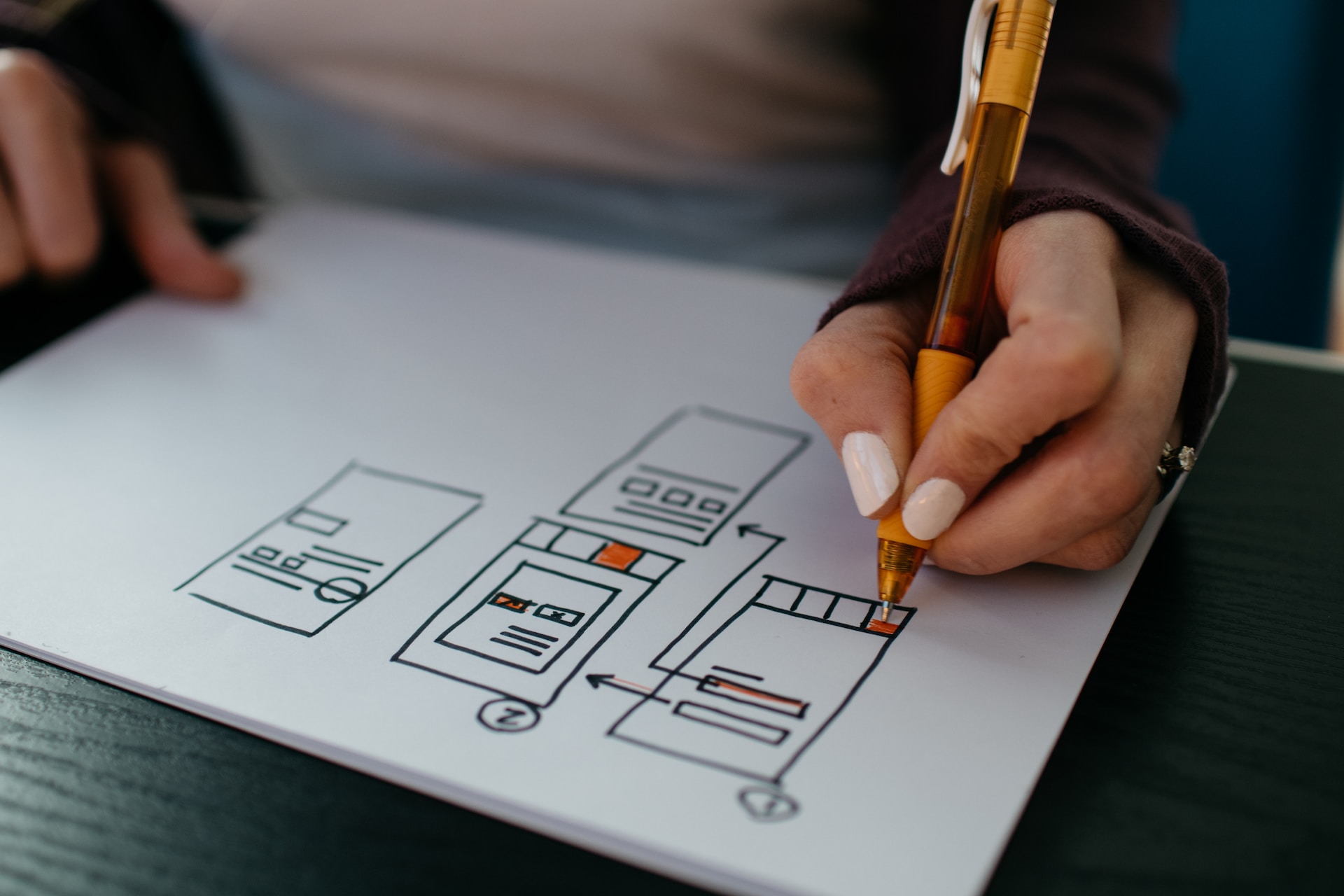
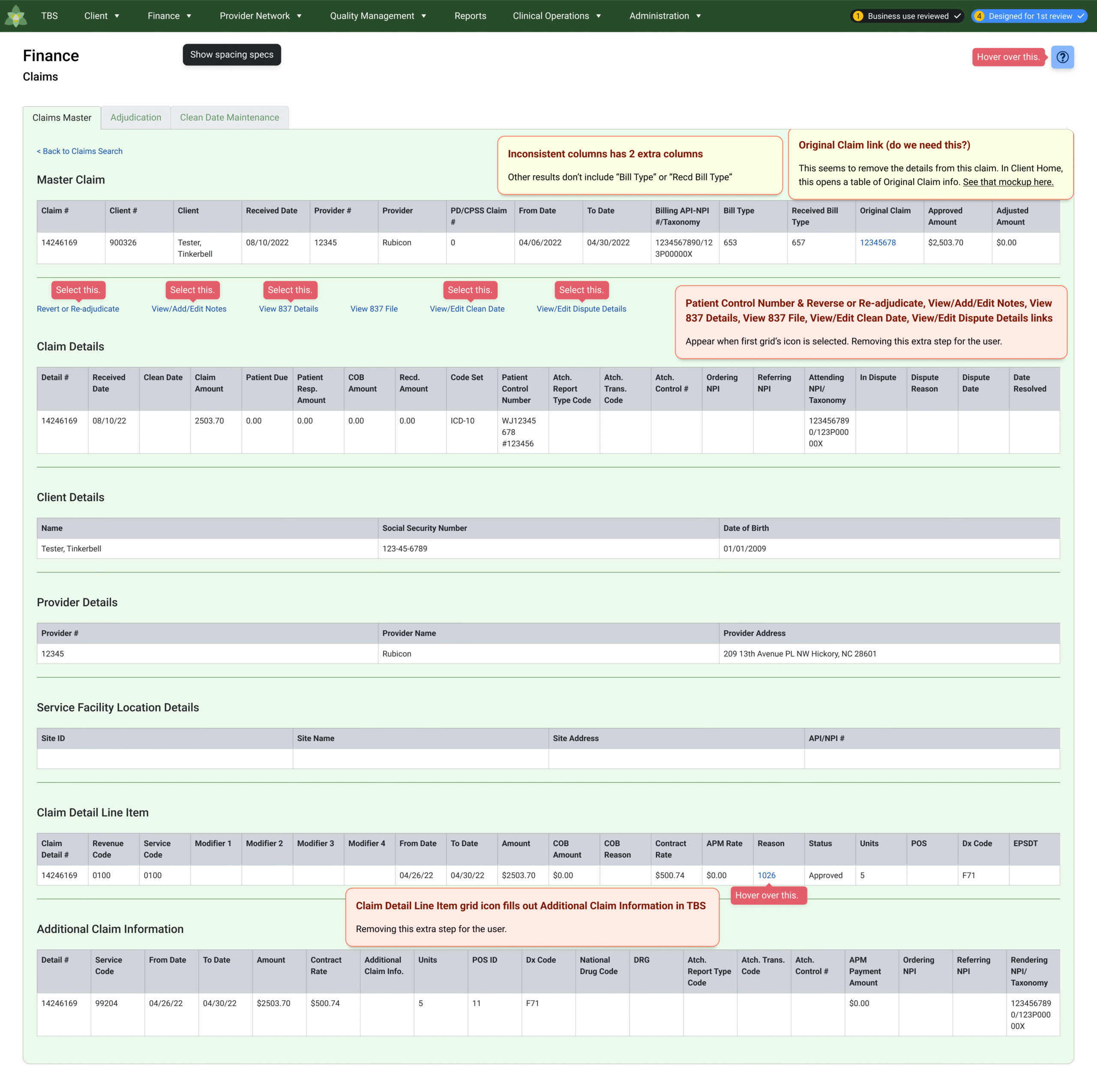
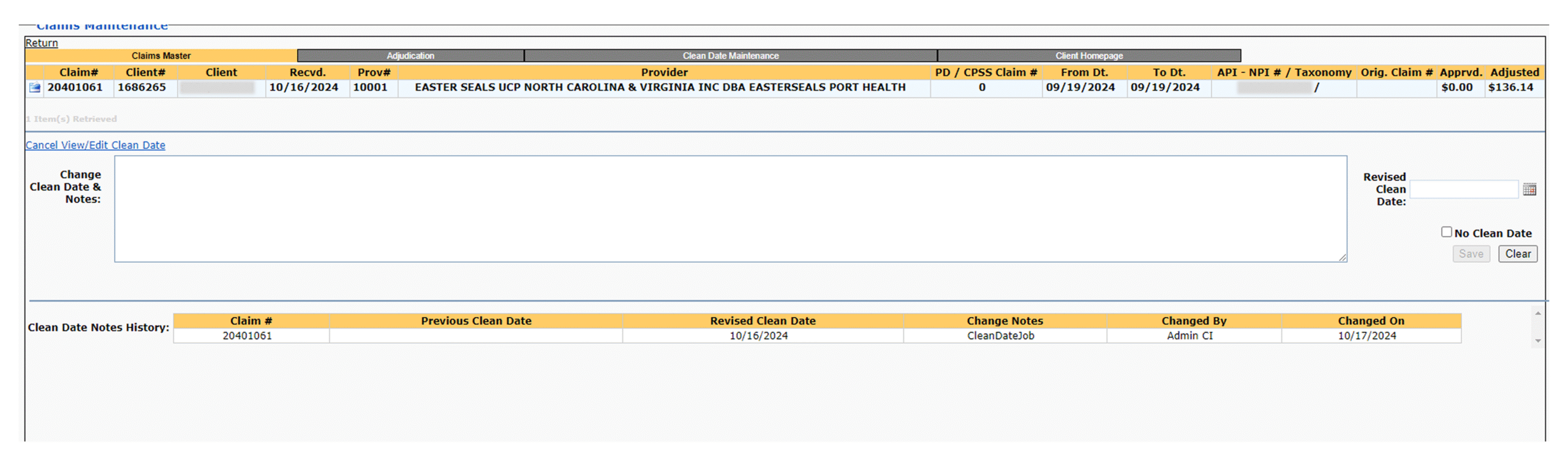
My first step is always a structural audit. I pull screenshots of every relevant screen and map them into a visual inventory. This gives me a quick view of how inconsistent the product is—duplicate components, mismatched spacing logic, token drift, and conflicting interaction patterns. Even when a company thinks they don’t have a design system, the product always has patterns hiding in plain sight. My audit helps surface which patterns are worth formalizing and which need to be eliminated.
From there, I infer the rules that the product should follow. Even when documentation doesn’t exist, the UI usually points to an underlying design language—spacing scales, color intent, typography tiers, or structural conventions. I distill those patterns into a lean, functional system that guides every redesign. This prevents new screens from drifting even further away from each other.
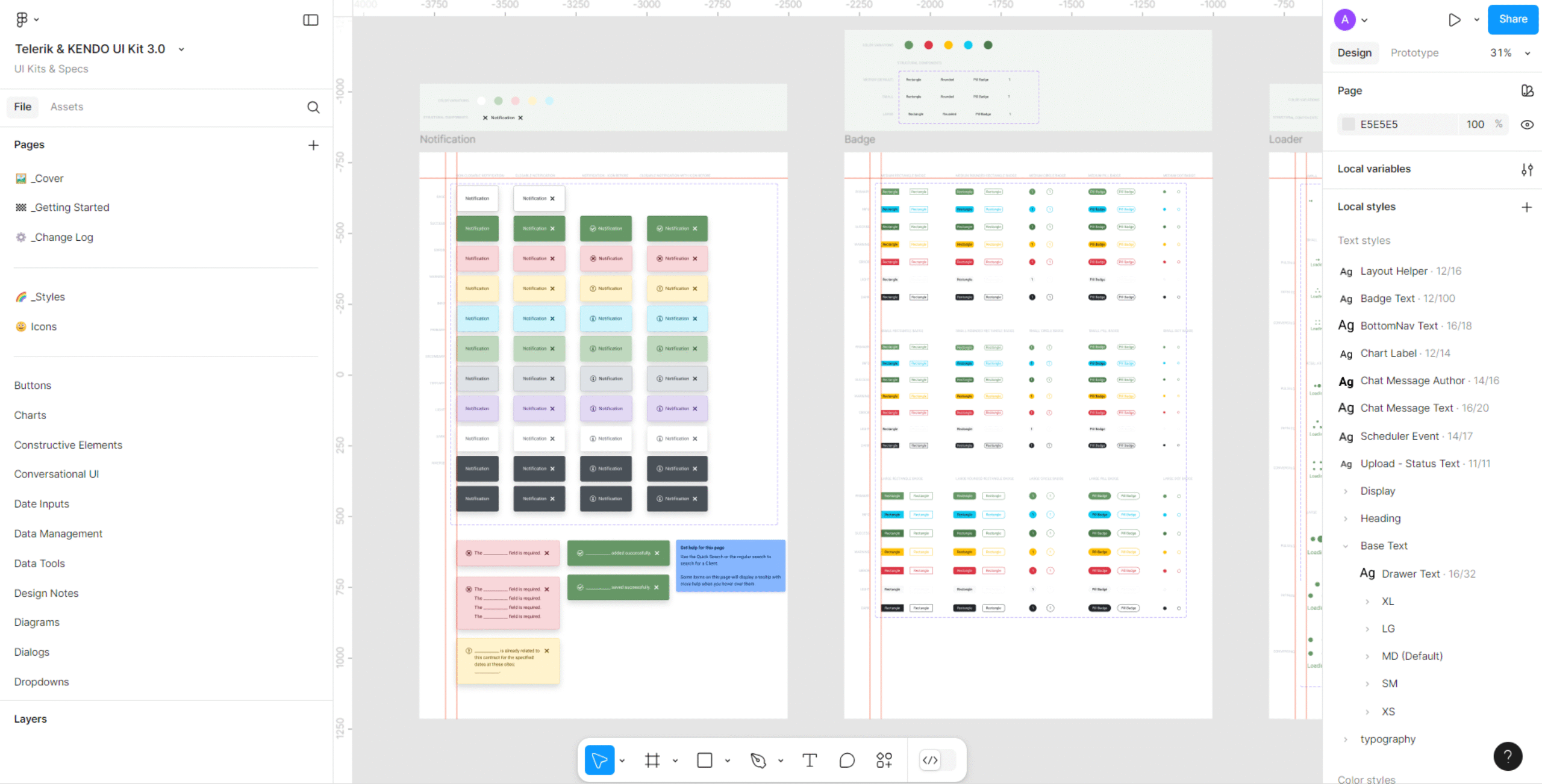
Throughout the process, I use token-level thinking. I align colors, spacing, and typography on the fly so each redesign moves the product toward a unified system. I also evaluate patterns for developer feasibility, especially in component-driven environments like Telerik/Kendo UI. A consistent app is only possible if the UI actually maps to components developers can ship.
By the time I finish a redesign cycle, the team has more than just improved screens—they have a working, observable system that didn’t exist before. And because it’s built from the product itself rather than imposed from the outside, it fits the reality of how the team ships features. For companies with legacy apps, fragmented UI, or no design documentation, this approach keeps the product stable while reducing the long-term cost of UI debt.
Through my systematic approach, I help teams turn undocumented, inconsistent interfaces into cohesive designs. Each redesign establishes UI structure, aligns visual tokens, and defines reusable components that developers can implement. This process reduces design fragmentation, improves collaboration between design and development, and creates a foundation for scalable, maintainable UI across products.
✢✢✢✢✢✢✢✢✢✢✢✢✢✢✢✢✢✢✢✢✢✢✢✢✢✢✢✢✢✢
IC UI Designer • Design Systems Contributor • Figma Libraries, Telerik/Kendo UI, Tokens, Component Libraries