

This article is an expansion of the “Analyze Your Competitors: Learn from the Masters” section of “Crafting the User-Centric Symphony: Navigating the UX of Design Systems“.
Let’s dive into the intriguing process of competitor analysis for design systems. This is like uncovering the blueprints of others’ creative fortresses – let’s explore each step that a design systems team needs to take.
Gaining Insights from Leaders: Exploring Design Approaches

Start by delving into other design systems. Examine how they structure their components, the visual style they use, and the overall user experience they offer. This exploration exposes you to a wealth of ideas and inspiration to enrich your own design system. In this step, your aim is to delve into the approaches of industry leaders. Study their design philosophies, from color palettes to layout strategies. The objective is to grasp the essence of their creative methods. By doing so, you can refine and adapt your design system’s own approach, integrating fresh insights into your work.
Embracing Effective Strategies: Extracting Valuable Lessons
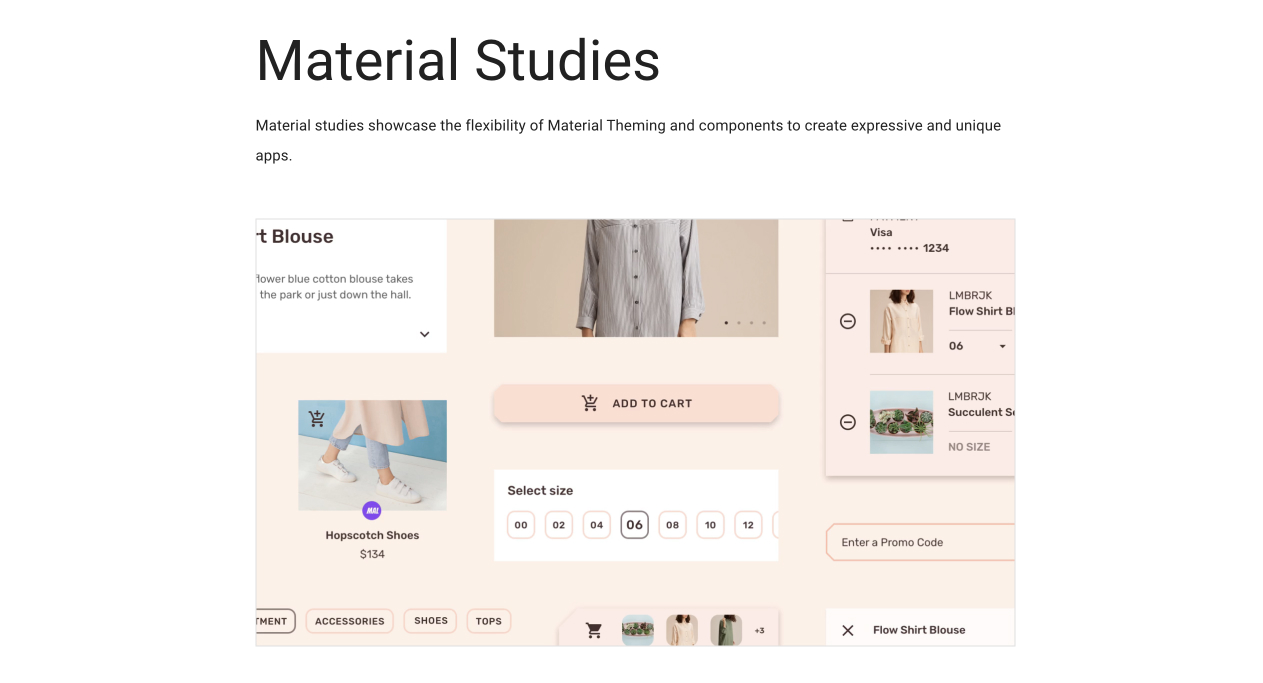
Similar to studying successful business models, immerse yourself in case studies and articles that showcase well-executed design systems. Analyze how these systems contribute to better user experiences, maintain visual coherence, and streamline development processes. At this stage, it’s about extracting actionable lessons from the strategies employed by your competitors. Observe how they manage version control, user onboarding, and other aspects of their design system. The goal is not to copy outright, but to adopt effective methods that resonate with your team’s goals, optimizing your design system’s efficiency.
Comparing User Journeys: Analyzing User Experiences

Step into the shoes of your users, metaphorically speaking. Evaluate different paths users take through various products. Map out the user journeys of competitors’ design systems – from initial interaction to continued usage. Identify the strengths of their systems and where they fall short. Traverse through your competitors’ user journeys, dissecting touchpoints from login to completion. The aim here is to understand the flow, identify friction points, and draw insights for enhancing your design system’s user experience. By analyzing these journeys, you can cultivate a holistic understanding of user interactions and tailor your system accordingly. It helps you uncover patterns, identify gaps, and align your design system’s flow with user needs.
Dissecting Design Elements: Analyzing Components
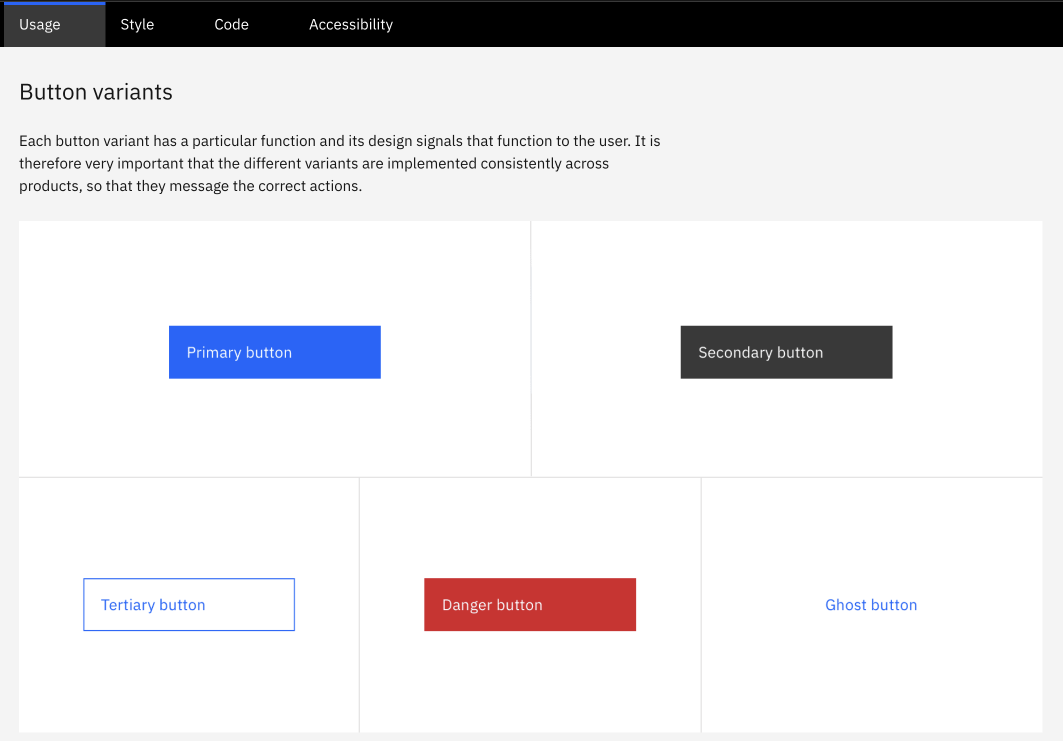
This step entails a meticulous examination of design elements within your competitors’ systems. Evaluate buttons, icons, widgets, and other components. Analyze the design systems of your competitors by breaking down their components and patterns. Examine how they achieve visual consistency, manage interactions, and cater to different platforms. The focus is on discerning how these individual pieces contribute to the cohesive whole. By analyzing these components, you can gain inspiration for refining the building blocks of your design system. This hands-on approach helps you uncover the nuances that contribute to their designs’ success.
Valuable Feedback from Users: Extracting User Opinions
Listen to the echoes of user feedback surrounding your competitors’ systems. Seek out user reviews, forum discussions, and other channels where insights are shared. Analyze what users like, dislike, and suggest for improvement. The goal is to extract valuable opinions and perspectives. These user voices can offer insights into pain points and successes that can inform your design system’s evolution, providing a user-centric perspective. These candid opinions offer you a direct view into the strengths and weaknesses of different design systems, guiding your own enhancements.
Evolution Over Time: Tracking System Changes
Lastly, trace the evolution of your competitors’ design systems over time. This involves observing changes, updates, and shifts in their approach. How have they adapted to changing trends and user needs? By analyzing the progression, you can unearth insights into their strategic decisions, pivotal moments, and lessons learned. Tracking this evolution keeps you informed about industry shifts and potential areas for your design system’s growth.
Conclusion
Remember, just as a keen observer learns from successful practices, a competitor analysis is an avenue to draw insights from design system pioneers. A design systems team can gain comprehensive insights, drawing inspiration from others’ experiences while crafting a unique and effective path forward. By recognizing their achievements and applying their lessons, a team positions itself to create a design system that resonates with users.
Crafting the User-Centric Symphony: Navigating the UX of Design Systems
✢✢✢✢✢✢✢✢✢✢✢✢✢✢✢✢✢✢✢✢✢✢✢✢✢✢✢✢✢✢
Comment below to share your thoughts. 🙂
Learn more about design systems
I’m a designer with 20 years of experience in web, eLearning and visual design. Follow me: