
This article touches on the overarching concepts of “UXing” a design system. To go deeper into each concept, read each section’s article, accessed via the “Learn more” links.
Embarking on the journey of crafting a design system is like composing a symphony for user experiences. It’s all about orchestrating a harmonious blend of reusable components, patterns, guidelines, and assets that not only maintain visual and functional coherence but also resonate with the hearts of your target users. As a UX enthusiast, you’re undoubtedly familiar with the exhilarating dance that takes place when user needs and design brilliance intertwine.
So, let’s dive into the key movements of this creative symphony, shall we?
Research Your Users: A Prelude of Understanding

Just like a conductor seeks to grasp the mood of the audience, you start with user research – those enlightening interviews and surveys that unravel the audience’s desires, preferences, and the occasional pesky pain points. By identifying the common user tasks and scenarios your design system should seamlessly embrace, you’re effectively setting the stage for a user-focused symphony. Learn more.
Analyze Your Competitors: Learn from the Masters

In the grand theater of design systems, competitor analysis is your backstage pass to witness the dazzling performances of the best. Study the design systems of your peers, absorb the lessons of their successes, and recognize the opportunities for your own improvements. It’s like learning from seasoned musicians and discovering new harmonies to infuse into your compositions. Learn more.
Gather the Requirements: Collaborative Crescendo

As the conductor of this symphony, you join forces with stakeholders, designers, and developers to gather requirements and define the scope of your design magnum opus. You immerse yourself in the existing design language and branding guidelines of the organization, making sure that your symphony perfectly complements the broader symphonic narrative. Learn more.
Information Architecture: Building the Harmonic Structure
Just as notes are organized into melodies and harmonies, the components and documentation of your design system are meticulously structured. You lay down the foundation for easy navigation, creating categories and tags that act as musical signposts guiding users through the intricate passages of your design masterpiece. Learn more.
Inventory Your Components: Curating the Instrumental Ensemble

Every composer selects instruments with care, and in the design system realm, it’s all about the components. You create an inventory of the existing design elements, evaluating and selecting the ones that best suit your symphony. Relevance, usage frequency, and the enchanting aura of consistency guide your choices. Learn more.
Develop the Design Language: Painting with Pixels and Emotions
The design system’s visual elements – the color palettes, typography, iconography – are your artistic brushstrokes that paint emotions onto the canvas of user experiences. Your design principles? They are the symphony’s underlying rhythm that resonates with the soul of both the organization and the users it serves. Learn more.
Documenting Components: Crafting Melodic Patterns

Just as a composer crafts intricate musical patterns, you meticulously design each component in your system. Buttons, forms, navigation – each element follows the established design language, bringing forth harmonious interactions. The documentation you create? It’s like the sheet music that allows others to play your symphony in perfect harmony. Learn more.
Review Your Accessibility: A Universal Melody

In the grand theater of inclusivity, your symphony must be accessible to all. A thorough accessibility review ensures that your components meet standards like WCAG, making your masterpiece a harmonious melody that reaches every ear. Learn more.
User Testing and Validation: Applause of Realization

As the first notes of your symphony fill the air, it’s time for user testing. Real users become your audience, providing applause-worthy insights that validate the effectiveness and efficiency of your design system. You listen, adapt, and refine – just like a composer tuning their composition based on the crowd’s reaction. Learn more.
Collaborate and Train: Harmonizing Teams

Your symphony’s performance depends on the harmony between designers and developers. Through workshops and training sessions, you impart your vision, ensuring that everyone is in tune and ready to play their part in the symphonic creation. Learn more.
Versioning and Governance: The Maestro of Consistency
Maintaining the integrity of your symphony requires careful management. You establish versioning systems that let your symphony evolve gracefully over time, and governance processes that ensure the harmonious consistency of every note. Learn more.
Integrate with Developers: Enabling the Ensemble

The symphony comes to life when musicians take their places. Similarly, the design system thrives when developers seamlessly integrate it into their workflow. You provide them with tools, resources, and guidance to bring the symphony to fruition. Learn more.
Maintain and Update: A Symphony’s Evolution
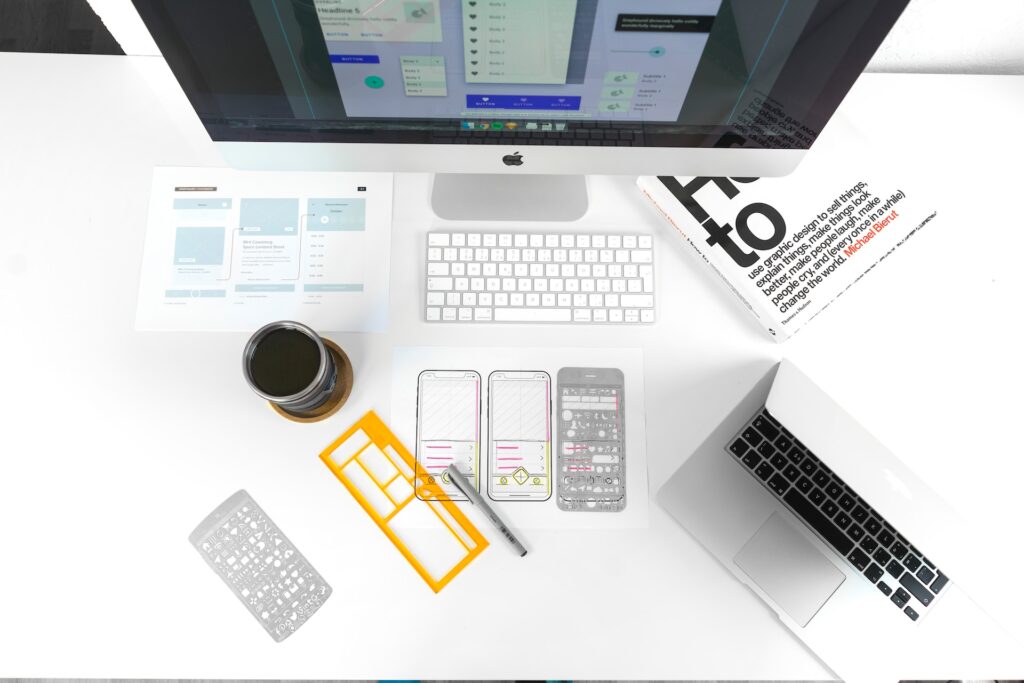
A symphony’s greatness is timeless, but it still requires occasional tuning. Continuously gather feedback, update documentation, and fine-tune design assets to ensure your design system remains a masterpiece, resonating with ever-changing user needs and technological trends. Learn more.
Conclusion
By conducting this carefully choreographed symphony of UX tasks, you compose a design system that resonates with your team, your audience, and your future opportunities. Just as a symphony reflects the composer’s passion and skill, your design system reflects your dedication to user-centric design and your journey towards that next perfect job opportunity. So go forth, and let the symphony of your design brilliance reverberate across the digital landscape!
✢✢✢✢✢✢✢✢✢✢✢✢✢✢✢✢✢✢✢✢✢✢✢✢✢✢✢✢✢✢
Comment below to share your thoughts. 🙂
Learn more about design systems
I’m a designer with 20 years of experience in web, eLearning and visual design. Follow me: