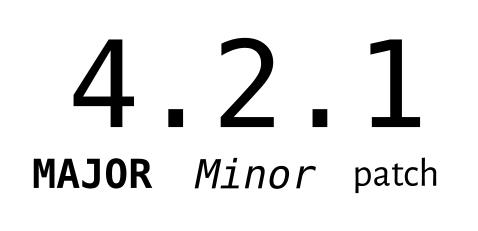
This article is an expansion of the “Maintain and Update: A Symphony’s Evolution” section of “Crafting the User-Centric Symphony: Navigating the UX of Design Systems“.
Let’s talk about maintaining and updating a design system.
Continuous Improvement: Evolving Perfection
Maintaining a design system is like tending to a well-tended garden – it’s all about nurturing growth. Continuously improving your design system is crucial to keep up with the ever-evolving design landscape. Regularly assess your design components, patterns, and guidelines. Seek feedback from your team, users, and stakeholders to identify areas for enhancement.
User-Centric Updates: Addressing Needs
Design systems are like fashion – they need to keep up with the times. Prioritize user needs and pain points when planning updates. Regularly conduct user research to understand how your design system can better serve your audience. Whether it’s addressing accessibility concerns or simplifying complex interactions, ensuring your updates align with real user needs is key.
Documentation Refinement: Clear Guidelines
Imagine your design system documentation as a GPS for fellow designers. Clear, concise, and easily navigable documentation is the backbone of a successful design system. Continuously refine your documentation to provide detailed guidelines, usage examples, and best practices. Make it a resource that answers questions before they even arise, making life easier for your team and ensuring design consistency.
Technological Alignment: Keeping Pace
In the fast-paced world of technology, staying aligned with the latest tools and frameworks is crucial. Regularly assess your design system’s technical infrastructure. Are your components optimized for current platforms? Can they seamlessly adapt to new devices? Stay open to embracing new technologies that can enhance your design system’s performance and maintain its relevance.
Feedback Utilization: Iterative Evolution
Feedback isn’t just a pat on the back – it’s your ticket to iterative evolution. Cultivate a feedback loop with your design team and users. Embrace their suggestions and critiques to refine your design system’s components and guidelines. This iterative approach ensures that your design system becomes a well-tuned symphony, harmonizing with the needs and aspirations of those who use it.
Quality Assurance: Consistent Performance
A design system is a bit like a Swiss watch – it needs to perform flawlessly. Implement a robust quality assurance process to ensure that your components and patterns are consistent and error-free. Regularly conduct usability testing, compatibility checks, and visual audits. Consistent performance not only reflects your team’s professionalism but also elevates the user experience.
Scalability Planning: Future-Ready System
As you’ve probably noticed, time flies faster than a cursor on a screen. Plan for scalability from the get-go. Anticipate growth and future requirements. Create a roadmap that outlines how your design system will scale to accommodate new features, platforms, and design trends. A future-ready design system is like a treasure map, guiding you to success in the ever-evolving design landscape.
Conclusion
So, dear reader, there you have it – a brief guide to maintaining and updating your design system. Remember, it’s not just about pixels and code; it’s about creating a dynamic, user-centered ecosystem that thrives on evolution and creativity. Happy designing! 🎨🌱
Crafting the User-Centric Symphony: Navigating the UX of Design Systems
✢✢✢✢✢✢✢✢✢✢✢✢✢✢✢✢✢✢✢✢✢✢✢✢✢✢✢✢✢✢
Comment below to share your thoughts. 🙂
Learn more about design systems
I’m a designer with 20 years of experience in web, eLearning and visual design. Follow me: