Most redesign projects generate UI debt long before anything reaches code. It doesn’t happen because designers are careless—it happens because legacy apps are inconsistent, requirements evolve midstream, and large screen counts make subtle details easy to miss. If you don’t control that debt early, it multiplies once developers start building from mismatched layouts, unclear interactions, or slightly different component versions.
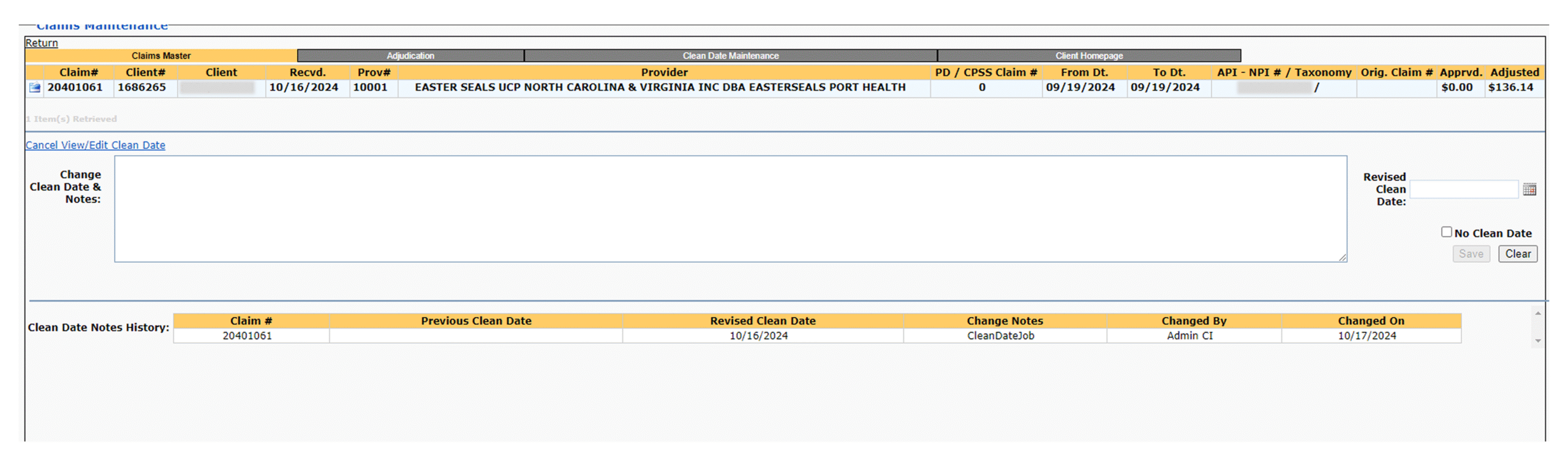
My approach is to treat UI debt like an audit problem. Every screen goes through a consistency check before it’s considered ready for handoff. That means looking for spacing drift, uneven padding, color mismatches, outdated components, and interaction inconsistencies. These mistakes are small individually, but they compound fast when you’re handling dozens or hundreds of screens.
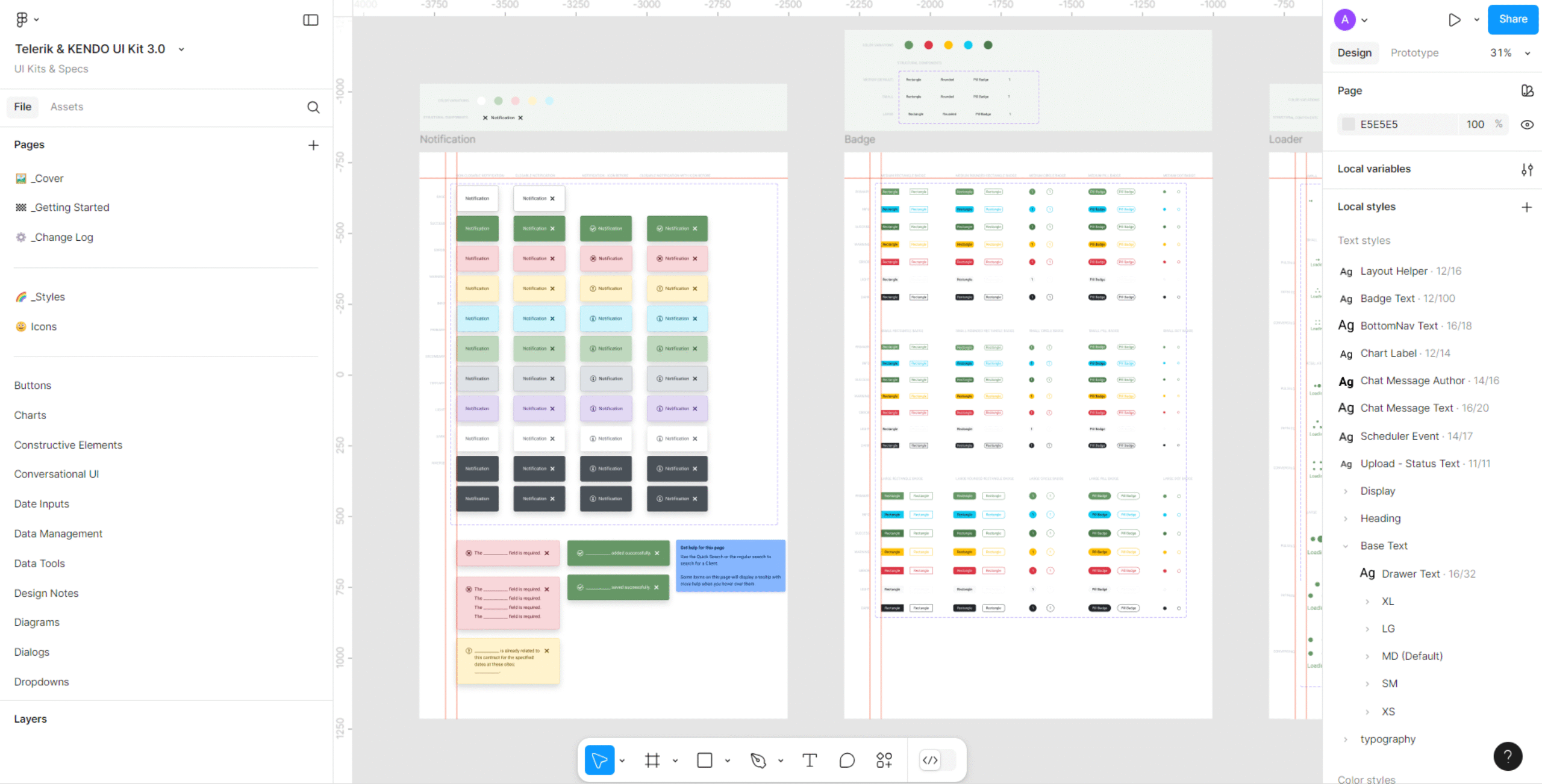
Legacy apps almost always contain multiple versions of the same component—different button sizes, different chip outlines, or different field treatments that were added over the years. When these slip into redesigns, they become design debt that devs have to reconcile. Before I finalize anything, I compare each screen to the standardized components in the design system. Anything that doesn’t match gets realigned before the file ever gets to engineering.
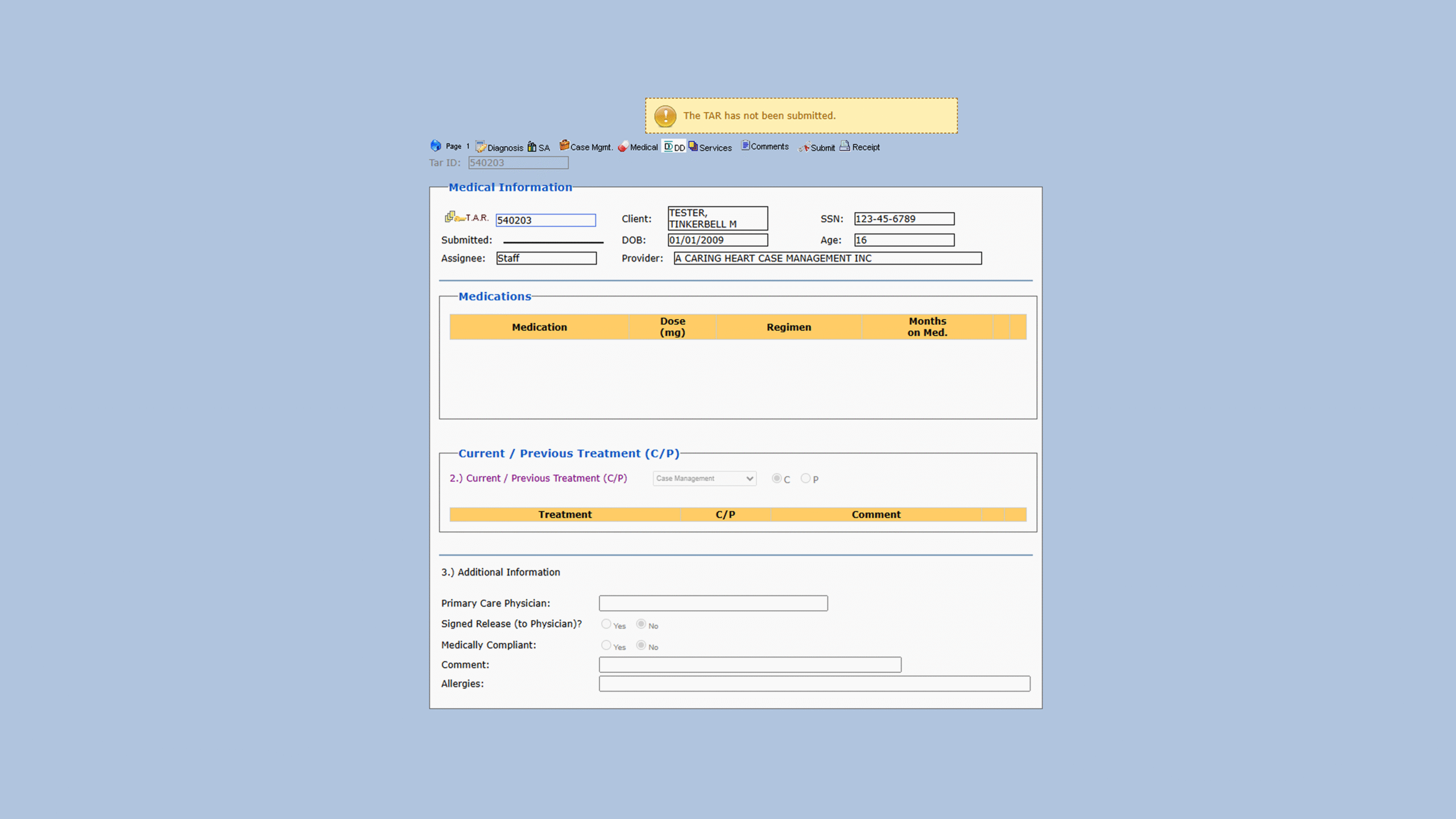
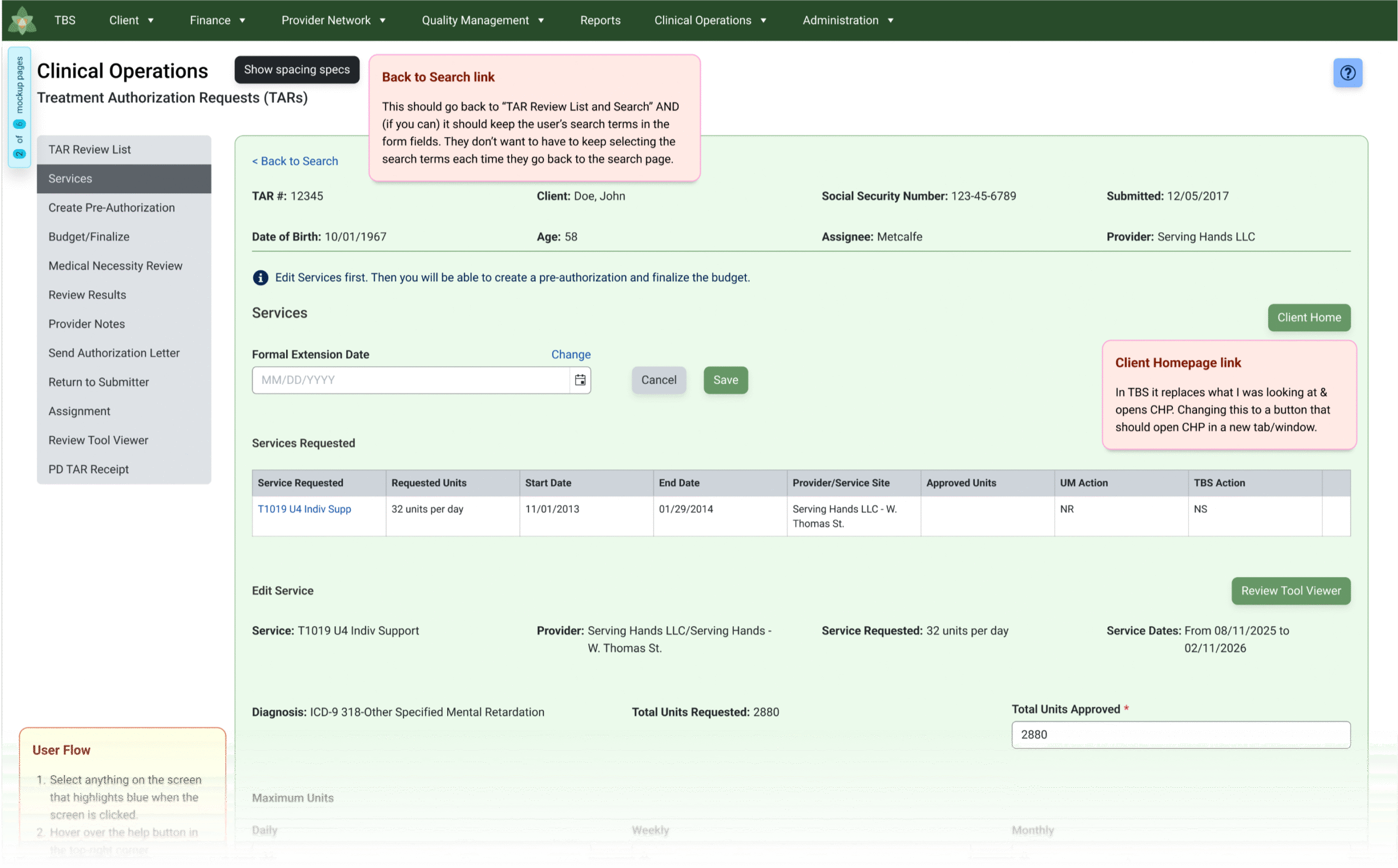
Documentation is the second part of prevention. If a spacing value or layout rule requires a one-off exception, I document the reason so developers don’t have to guess. If an interaction changes because of a stakeholder request, that gets noted too. Clear annotation slows the spread of inconsistencies because each deviation is intentional instead of accidental.
Finally, I run a mini-QA pass inside Figma before handing anything off. It’s not formal UX QA—it’s more like a friction sweep. I click through the prototype like a user and look for interaction mismatches, missing states, or components that didn’t get updated in a later iteration. That quick review eliminates the problems that typically get caught after devs start coding, saving both teams the painful back-and-forth.
UI debt is inevitable in large projects, but it doesn’t need to reach developers. A disciplined audit, consistent components, and a clean annotation process keep the work stable and predictable—long before the first line of code is written.
✢✢✢✢✢✢✢✢✢✢✢✢✢✢✢✢✢✢✢✢✢✢✢✢✢✢✢✢✢✢
I’m Anne, a Design Systems Specialist and UI Designer who blends systems thinking with design craft to create cohesive, scalable, and visually refined products. Follow me: