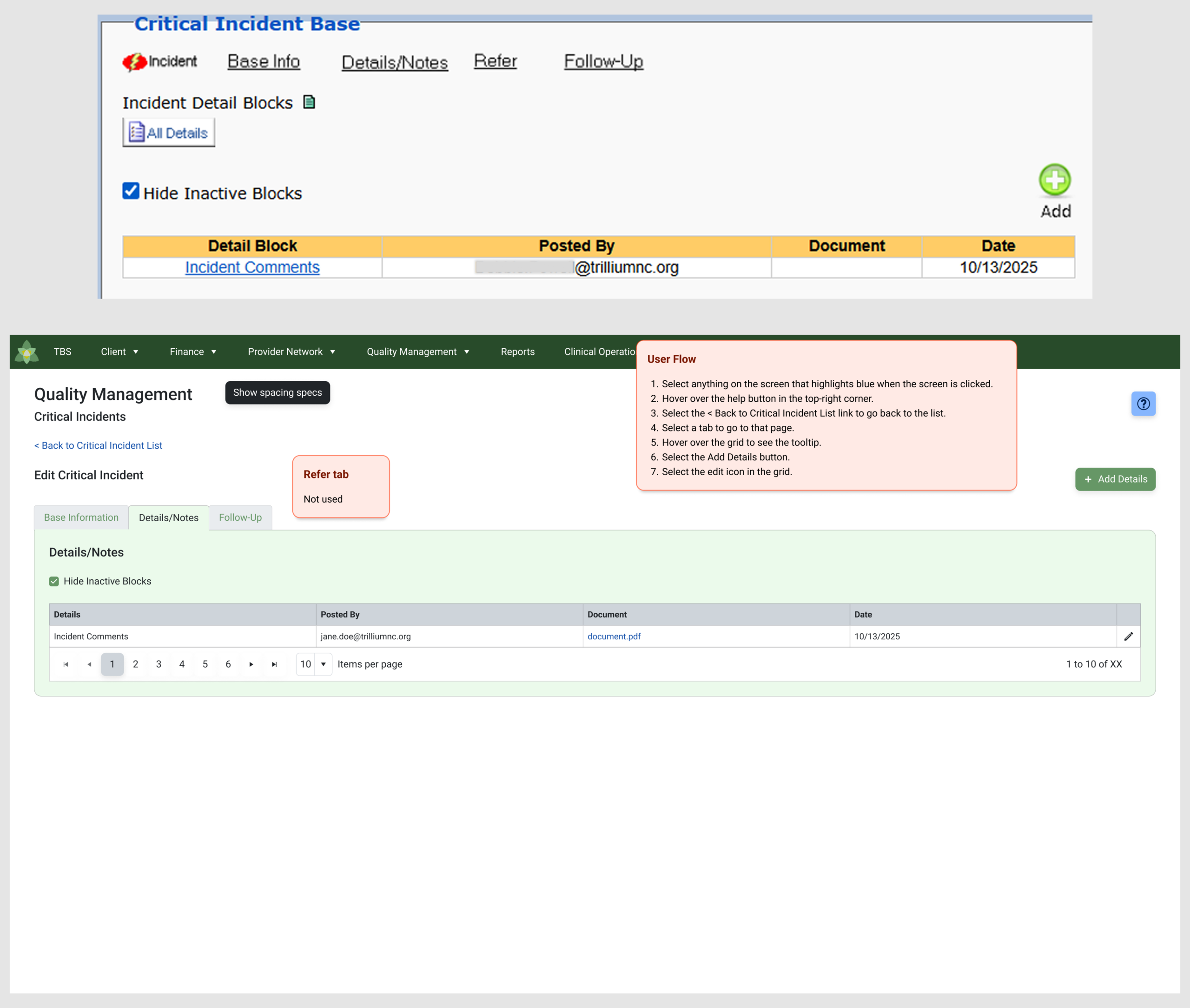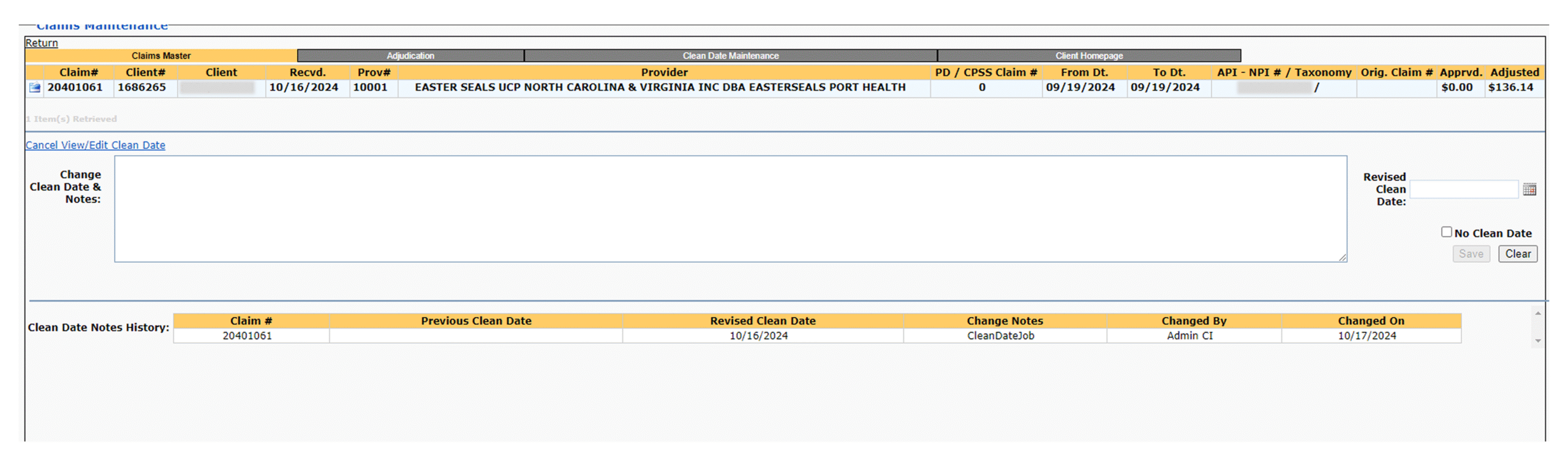
When people think of “beautiful design,” they rarely think of an enterprise form. They think of sleek dashboards or minimalist mobile interfaces. But if you work in healthcare, fintech, or legacy enterprise software, you know the truth: Forms are where the actual business happens.
A poorly designed form is a liability. It causes data entry errors, increases user fatigue, and slows down operational velocity.
As a UI Architect specializing in legacy modernization, I look at an overwhelming, messy form and see a puzzle waiting to be solved. Here is a look at my systemic, “upcycling” methodology for transforming complex inputs into elegant, scalable user flows.
Enterprise users are often processing hundreds of data points a day. They don’t read forms; they scan them.
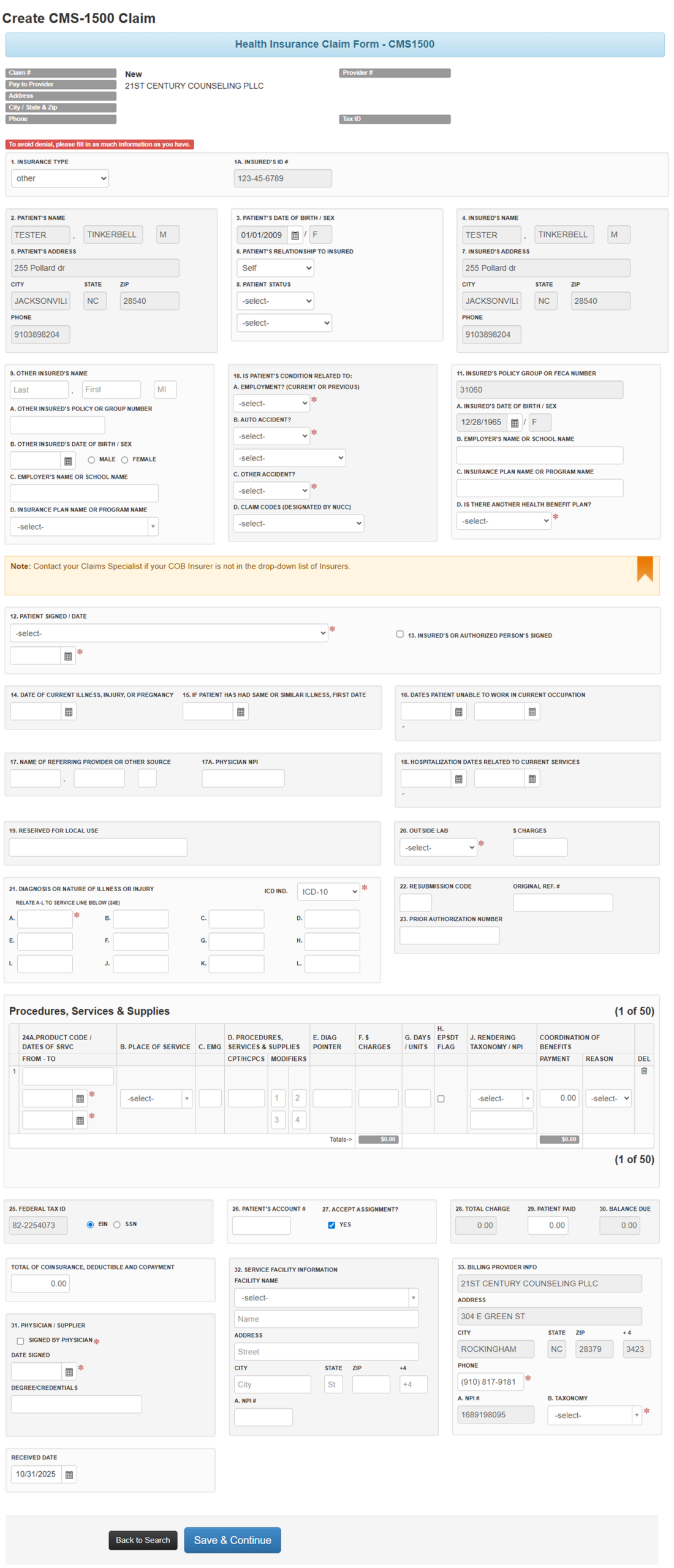
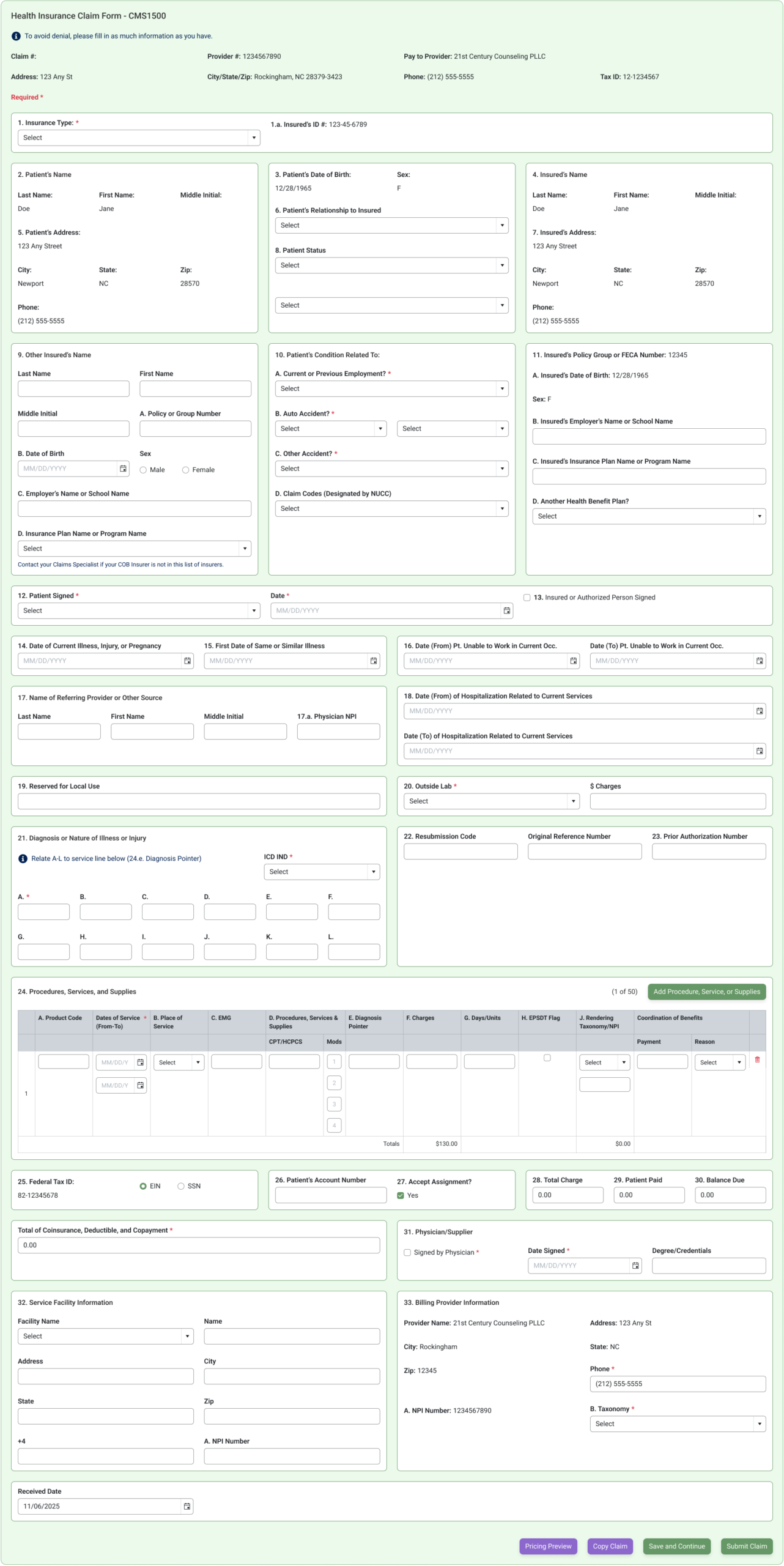
The Upcycle: In this case, the form was sectioned into boxes that made sense to the providers, but it needed more white space and needed to line up a little better. The numbers and letters in each box were required, and the ask was for the form’s content to match exactly. The boxes in columns were expanded to match the height of the ones next to them.
In this layout, I focused on reducing cognitive load by enforcing a strict alignment grid and standardizing label typography. By grouping related data fields into distinct visual containers with governed padding, the form changes from a ‘wall of boxes’ into an intuitive, step-by-step reading path.
When working on a massive form section with multiple user actions, instead of bloating the Figma canvas with separate, heavy mockups for creating, editing, and copying data, I architected a single unified form layout containing all contextual action buttons. This kept file performance optimal while serving as a comprehensive blueprint for engineering. By mapping out the conditional logic clearly in the handoff specs, the development team was able to easily inject the appropriate context-specific buttons at each stage of production with zero ambiguity.
Let’s Refactor Your Technical Debt
Modernizing a legacy application doesn’t mean deleting your established business logic and starting from zero. It means finding the hidden order in what already works and wrapping it in a modern, governed architecture.
I bring a decade of visual craft and over 4 years of deep, real-world design systems architecture to fast-moving teams. If your enterprise app has forms or data tables that feel completely “un-designable,” let’s connect.
✢✢✢✢✢✢✢✢✢✢✢✢✢✢✢✢✢✢✢✢✢✢✢✢✢✢✢✢✢✢
IC UI Designer • Design Systems Contributor • Figma Libraries, Telerik/Kendo UI, Tokens, Component Libraries